Living in New Jersey means dealing with a wide range of weather conditions. We experience humid, sweltering summers and freezing, snowy winters. This constant fluctuation puts significant stress on your home comfort equipment. Your HVAC systems work hard year-round, and that heavy workload often leads to breakdowns at the most inconvenient times.
Knowing what signs to look for can save you money and frustration. It helps you catch small issues before they turn into expensive emergencies. If you are noticing strange noises, rising energy bills, or uneven temperatures, it might be time to look for professional heating and cooling repair NJ.
In this guide, we will explore the most common issues homeowners face in the Garden State. We will also discuss how regular maintenance keeps your system running smoothly and when you should call an expert.
What Is the Most Common Cause of HVAC Failure?
Lack of maintenance is the number one cause of heating and cooling system failure. Dirt and dust buildup usually start the trouble. When filters and coils get clogged, the system has to work much harder to push air through your home. This extra strain leads to overheated parts, frozen coils, and premature breakdowns. Changing your air filter every one to three months is the easiest way to prevent these issues.
The Impact of New Jersey Weather on Your Equipment
New Jersey’s climate is unique. We have four distinct seasons, but the extremes of summer and winter are tough on mechanical systems. During July and August, your air conditioner runs almost non-stop to combat high humidity. In January and February, your furnace works overtime to keep the cold out.
This continuous operation accelerates wear and tear. A system that works fine in a mild climate might struggle here without proper care. That is why heating and cooling professionals in our area emphasize the importance of seasonal tune-ups. You need to ensure your unit is ready for the upcoming shift in weather.
Dirty or Clogged Air Filters
It sounds simple, but a dirty air filter is responsible for a huge number of service calls. Your system needs to breathe. When the filter is clogged with dust, pet dander, and pollen, airflow is restricted.
Restricted airflow causes several problems:
- Reduced efficiency: Your unit uses more energy to do the same job.
- Inconsistent temperatures: Some rooms may feel stuffy while others are fine.
- System overheating: The blower motor can overheat and fail.
- Frozen coils: Lack of warm air flowing over the evaporator coil can cause it to freeze up.
Checking your filter is a task you can do yourself. If you have pets or allergies, you might need to change it more frequently to maintain good indoor air quality.
Refrigerant Leaks in Your Air Conditioning System
Your air conditioning system relies on a chemical refrigerant to cool the air. This system is closed, meaning the refrigerant should not escape. If you are low on refrigerant, it means there is a leak.
Simply adding more fluid won’t fix the problem. You need a qualified technician to locate the leak, repair it, and then recharge the system. Symptoms of a refrigerant leak include:
- Hissing or bubbling noises near the unit.
- Warm air is blowing from the vents.
- Ice is forming on the refrigerant lines outside.
- Higher than normal electric bills.
Attempting to fix this yourself can be dangerous and harmful to the environment. It is best to call a reliable hvac company to handle chemical refrigerants safely.
Thermostat Glitches Affecting Home Comfort
Sometimes the problem isn’t with the heavy machinery at all. The thermostat is the brain of your HVAC system. If it malfunctions, your heater or AC won’t know when to turn on or off.
Common thermostat issues include:
- Dead batteries: If the screen is blank, try fresh batteries first.
- Dust and debris: Older mechanical thermostats can get clogged with dust.
- Poor placement: If a thermostat is in direct sunlight or near a drafty window, it will give false readings.
- Wiring issues: Loose connections can cause intermittent failures.
Upgrading to a smart thermostat can often solve these headaches while helping you manage your energy usage better.
Frozen Evaporator Coils
You might think ice is a good sign for an air conditioner, but it is actually a major problem. Your evaporator coil needs warm air flowing over it to work correctly. If the airflow is blocked (often by dirty filters) or the refrigerant is low, the coil gets too cold.
Moisture from the air freezes on the coil, creating a block of ice. This ice acts as an insulator, preventing the coil from absorbing heat. The result is warm air coming from your vents. If you see ice on your unit, turn it off immediately to let it defrost and call for heating and cooling repair NJ. Running a frozen unit can destroy the compressor, which is the most expensive part of the system.
Ignition and Pilot Light Issues
For those with gas furnaces, ignition problems are common during the winter. Modern furnaces use electronic ignition, while older models use a pilot light.
If your furnace is clicking but not firing up, the igniter might be cracked or faulty. If you have a pilot light that won’t stay lit, it could be a draft, a dirty sensor, or a bad thermocouple. These are safety mechanisms designed to prevent gas from flowing when there is no flame.
Never try to force a furnace to light if safety features are shutting it down. This requires the attention of a skilled technician who can ensure your gas lines and burners are operating safely.
Strange Noises and Smells
Your HVAC system should be relatively quiet. While you might hear the hum of the motor or the whoosh of air, loud or distinct noises are a warning sign.
- Squealing or screeching: This often indicates a slipped or worn-out belt. It could also mean a motor bearing requires lubrication.
- Rattling or banging: This usually suggests a loose part. It could be a screw, a panel, or a component within the blower assembly.
- Grinding: This is serious. It sounds like metal-on-metal, and often means a motor is failing.
Smells are also telltale signs. A burning smell when you first turn on the heat is usually just dust burning off. However, if the smell persists, it could be an electrical issue. A musty smell often indicates mold or mildew growth inside the ducts or on the coils, which hurts your indoor air quality.
Drainage Problems and Water Leaks
Your air conditioner and high-efficiency furnace produce condensation. This water needs to drain away. If the drain line gets clogged with algae or dirt, water can back up.
This can lead to:
- Water damage to your floors or ceilings.
- Mold growth near the unit.
- The system is shutting down (many modern units have a float switch that cuts power if water backs up).
Regular flushing of the condensate line is a standard part of regular maintenance. It keeps the water flowing freely and prevents costly water damage to your home.
The Lifespan of Your Equipment
Nothing lasts forever. Most air conditioners and furnaces are designed to last between 10 and 15 years. If your equipment is approaching this age range, repairs will become more frequent and more expensive.
Older units are also much less efficient than modern ones. You might be paying for repairs on a machine that is already costing you a fortune in energy bills. When you face a major repair on an old unit, ask your technician about the cost-benefit of replacement versus repair. Sometimes investing in quality products with a warranty is the smarter financial move.
Choosing the Right Service Provider
When your heat goes out in January or your AC dies in July, you need help fast. However, rushing to hire the first number you find can lead to poor results. You want a team that will provide top-notch service and stand behind their work.
Here is what to look for when hiring a pro for heating and cooling repair NJ:
Experience and Expertise
Look for technicians who understand the specific challenges of New Jersey homes. They should be licensed, insured, and trained on the latest technology.
Customer Service
Excellent customer service separates the average companies from the great ones. You want a team that respects your time, arrives when they say they will, and treats your home with care. They should explain the problem clearly and offer transparent pricing.
Reputation
Check reviews and ask neighbors. People highly recommend companies that have treated them well. Word of mouth is often the best way to find a trustworthy provider.
The Value of Maintenance Plans
Many homeowners wait until something breaks to call a technician. This reactive approach is expensive. Proactive care is the key to home comfort and system longevity.
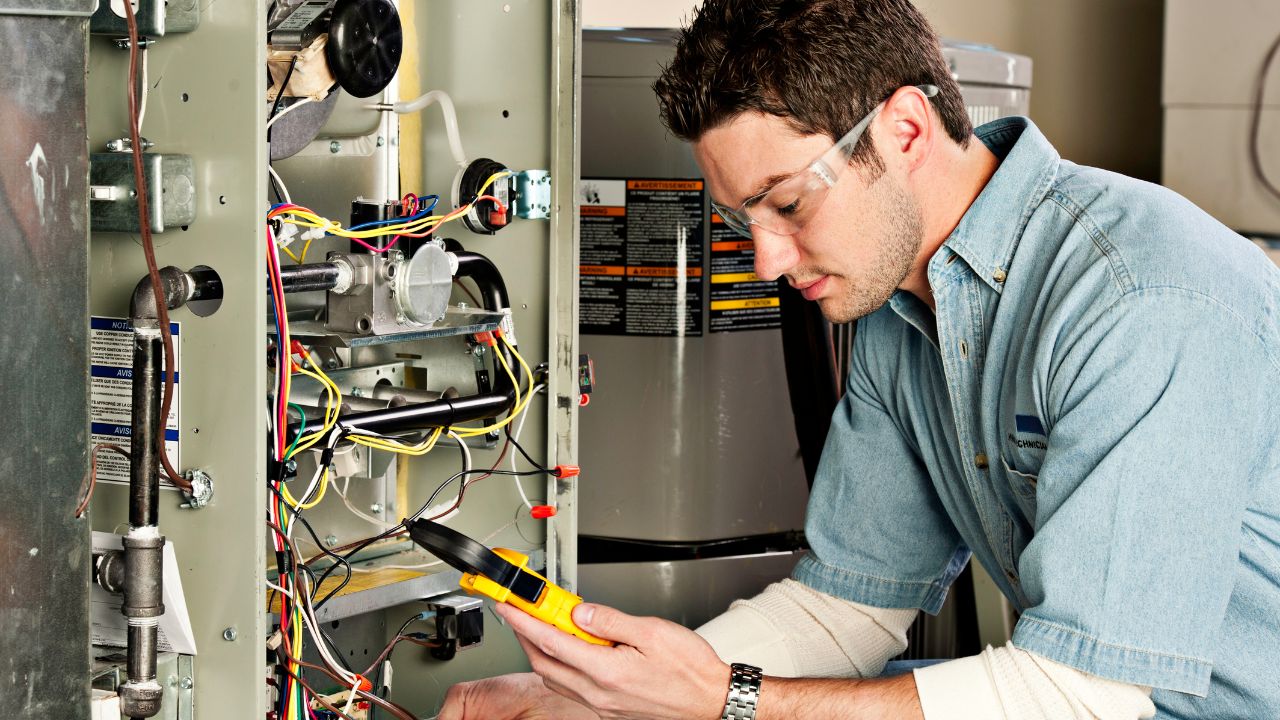
Signing up for a maintenance plan with a reputable HVAC company ensures your system gets checked twice a year. During these visits, the technician will:
- Clean the coils and drains.
- Check refrigerant levels.
- Tighten electrical connections.
- Lubricate moving parts.
- Inspect the heat exchanger for cracks.
This regular maintenance pays for itself by lowering energy bills and preventing emergency breakdown calls. It gives you peace of mind knowing your system is ready for whatever New Jersey weather brings.
Improving Your Indoor Air Quality
Your HVAC system does more than just control temperature; it controls the air you breathe. In New Jersey, we keep our homes tightly sealed during winter and summer to save energy. This traps pollutants inside.
Dust, pollen, pet dander, and volatile organic compounds (VOCs) circulate through your ducts. If you or your family members suffer from allergies or asthma, this can be a major issue.
Upgrading your air conditioner or furnace with better filtration systems, UV lights, or humidifiers can make a massive difference. A professional can assess your home and suggest the right add-ons to help you breathe easier.
Is It Time to Repair or Replace?
This is the question every homeowner eventually faces. If you are constantly calling for repairs, it might be time to say goodbye to your old unit.
Consider the “5,000 Rule.” Multiply the age of your equipment by the estimated cost of the repair. If the total exceeds $5,000, replacement is usually the better option. For example, a $500 repair on a 12-year-old unit equals 6,000 ($500 x 12). In this case, putting money into a new system makes more sense.
Newer HVAC systems are incredibly efficient. They run quieter, cool and heat more evenly, and can lower your utility bills significantly.
Conclusion
Heating and cooling problems are a headache, but they are often preventable. By understanding the common issues, from dirty filters to refrigerant leaks, you can take better care of your home. Remember that the extreme New Jersey climate demands reliable equipment.
Don’t ignore the warning signs. Strange noises, odd smells, and rising bills are your system’s way of asking for help. Whether you need a simple tune-up or a major repair, trusting experienced professionals ensures the job is done right. Prioritize your comfort and safety by keeping your HVAC system in peak condition.
If you are experiencing issues with your system or just want to schedule a seasonal check-up, you need a team you can trust. For reliable service and expert solutions, visit Onsite New Jersey to get your home comfort back on track today.