It starts with a sound you hope you never hear. Maybe it is the sharp hiss of a pipe hidden behind the wall, a slow drip that suddenly turns into a steady stream, or the unsettling silence of a boiler that will not start during a New Jersey winter. When water is flowing where it should not or stops flowing altogether, stress kicks in fast. That is the moment when calling an emergency plumber NJ homeowners trust becomes critical.
Finding an emergency plumber NJ residents trust isn’t just about speed; it is about finding someone who won’t take advantage of your desperation. You need a professional who arrives quickly, diagnoses the problem accurately, and charges a fair price.
In this guide, we will walk you through exactly how to handle these stressful situations. We will cover how to identify a true emergency, how to vet a service provider quickly, and what steps you can take to minimize damage while help is on the way.
Recognizing a True Plumbing Emergency
Not every drip requires a frantic midnight call. However, knowing the difference between an annoyance and a catastrophe can save you thousands of dollars in restoration costs. Plumbing emergencies don’t wait for business hours, so you need to act the moment you spot the signs.
If you are dealing with water damage that is actively spreading, that is an emergency. Water soaks into drywall, warps flooring, and encourages mold growth within 24 to 48 hours. Here are common scenarios where you should pick up the phone immediately:
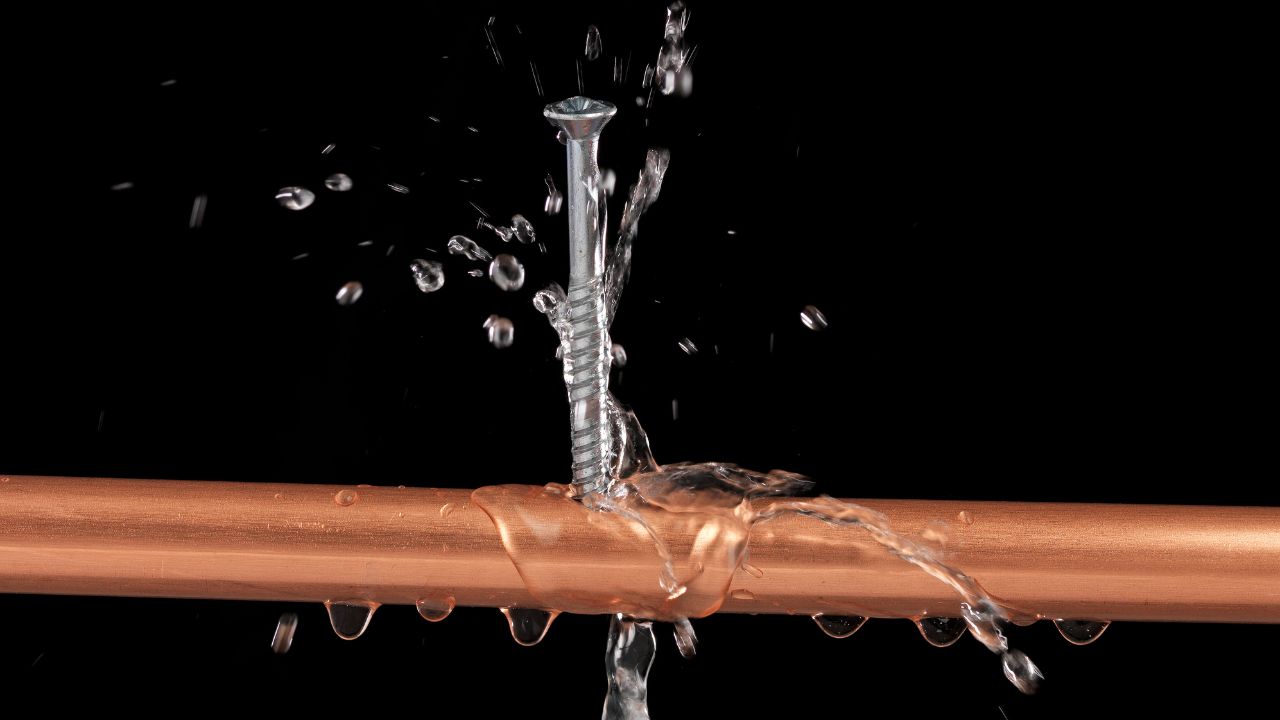
- Burst Pipe: This is the most urgent scenario. A burst pipe can flood a home in minutes.
- Sewage Backup: If wastewater is coming back up through your drains or toilets, this is a biohazard. It requires immediate professional attention.
- No Water Supply: Losing access to clean water is a health and safety issue.
- Gas Leaks: While often associated with utility companies, plumbers are often the ones who fix gas lines running to water heaters or stoves.
If your issue is a dripping faucet or a running toilet that can be silenced by turning the valve behind it, you might be able to wait until morning. For everything else, you need emergency plumbing services.
Featured Snippet: How Quickly Should an Emergency Plumber Arrive?
In New Jersey, a dependable emergency plumber NJ homeowners can count on should usually arrive within one to two hours of your call, depending on traffic and your exact location. When you contact an emergency plumber in NJ, always ask for a clear estimated time of arrival so they can get to you quickly and help prevent costly water damage.
Why You Need a Local NJ Expert
New Jersey has unique housing structures and weather patterns that influence plumbing. An emergency plumber familiar with the area understands the specific risks local homeowners face.
For example, many New Jersey homes have basements that rely heavily on a sump pump. During heavy rains or snowmelt, a failed pump can lead to catastrophic basement flooding. A local pro knows that pump repair or replacement is often a race against the weather.
Furthermore, local technicians know where the municipal lines end and where your responsibility begins. This is crucial for issues like damaged sewer lines, where digging might be required. Hiring someone local means they likely have existing relationships with town officials for permits or inspections if a major line repair is necessary.
The Search: Finding a Pro Under Pressure
When you are standing ankle-deep in water, there is no time for a lengthy background check. Still, a bit of smart due diligence can save you from costly scams. Here is a quick, practical checklist to help you find a reliable emergency plumber NJ homeowners can trust when every minute counts.
1. Verify 24/7 Availability
Many companies claim to work around the clock but actually route calls to an answering service that books appointments for the next day. You need a company that explicitly offers 24/7 emergency dispatch. When you call, ask immediately, “Do you have a technician available to come out right now?”
2. Check for Licensing and Insurance
Never let an unlicensed handyman touch your water supply or gas lines during a crisis. In New Jersey, master plumbers must be licensed. This protects you if something goes wrong during the repair and replacement process. Ask for their license number over the phone. A legitimate company will provide it without hesitation.
3. Look for “Upfront” Pricing
While an emergency service will almost always cost more than a standard scheduled visit, the pricing should be transparent. Reliable plumbers will usually charge a dispatch fee to get the truck to your house, but they should be able to give you a clear idea of their hourly rates or flat-rate pricing structure before they start work.
Common New Jersey Plumbing Nightmares
Understanding what often goes wrong in local homes can help you describe the problem clearly when you call for 24/7 emergency plumbing.
The Broken Water Heater
Waking up to an icy shower is bad, but a leaking water heater is worse. If your unit is rusting or leaking from the bottom, it can dump 40 to 50 gallons of water into your utility room. A broken water heater is a top reason for emergency calls, especially in older NJ homes. Whether you need a quick element fix or a total replacement, you need hot water restored for sanitation and comfort.
Clogged Drains and Backups
We aren’t talking about a slow-draining sink. We are talking about a complete stoppage where water has nowhere to go. Clogged drains in the main line can cause sewage to back up into bathtubs or basement floor drains. This usually requires heavy-duty snakes or hydro-jetting equipment that only a professional carries.
Frozen and Burst Pipes
In New Jersey winters, temperatures drop fast. Poorly insulated pipes in crawl spaces or exterior walls can freeze. As the ice expands, it cracks the copper or PVC. Once the ice thaws, water sprays out with full mains pressure. This is the definition of a burst pipe emergency.
What to Do While You Wait for the Plumber
Once you have secured an appointment with an emergency plumber, you cannot just sit and wait. Taking action now can save your property.
- Shut Off the Main Water: Locate your main water shut-off valve. It is usually in the basement, garage, or near the street. Turn it clockwise until it stops. This stops the flow of water to the leak.
- Turn Off the Water Heater: If you shut off the main water, turn off the breaker or gas supply to your water heater. If the tank drains while the heating element is on, it can burn out the motor or cause a fire hazard.
- Open Faucets: Open the faucets on both the lowest and highest floors of your home. This drains the remaining water out of the pipes and relieves pressure.
- Clear the Area: Move furniture, boxes, and electronics away from the wet area. The plumber will need space to work, and you want to salvage your belongings.
Repair vs. Replacement: Making the Right Call
When the plumber arrives, they will assess the situation. Often, there is a choice to be made between a quick patch and a permanent solution.
For plumbing issues like a leaking pipe joint, a repair is usually sufficient. However, for aging fixtures, replacement might be the smarter financial move.
For instance, if you have damaged sewer lines due to tree root intrusion, simply clearing the line is a temporary fix. The roots will grow back. A line repair or replacement might be expensive now, but it solves the problem for decades. Similarly, if you are calling for pump repair on a sump pump that is over seven years old, it is safer to buy a new one than to repair the old motor.
Listen to the advice of your professional. A good emergency plumber will explain the “why” behind their recommendation, rather than just handing you a bill.
Avoiding Future Emergencies
Once the crisis is averted, the best strategy is prevention. Plumbing repairs are inevitable, but emergencies don’t have to be.
- Insulate Pipes: Check your attic and basement for exposed pipes and wrap them in foam insulation.
- Service Your Water Heater: Flush the tank annually to remove sediment.
- Test Your Sump Pump: Pour a bucket of water into the pit to ensure the float triggers the pump.
- Watch What You Flush: Wipes, grease, and feminine hygiene products are the leading causes of sewage backup.
Conclusion
A plumbing disaster feels overwhelming, but panic is your enemy. By knowing how to shut off your water and having a plan to find a reputable professional, you can mitigate the damage. Remember to prioritize safety, verify licensing, and look for a team that understands the specific infrastructure of New Jersey homes.
When water is rising and time is running out, you need a team that responds instantly with skill and reliability, giving you peace of mind when you need it most. Quick action can mean the difference between a fast fix and extensive property damage, so always have a trusted emergency plumber in your contacts. If you are facing a plumbing emergency in New Jersey, do not wait; reach out to On Site New Jersey for rapid, professional service that gets your home back to normal fast.